


Last Updated: November 19, 2026
Quick Summary
Layered warmth and comfort comes from building a room with multiple soft, tactile elements, throws, pillow covers, and rugs, rather than one large statement piece. Combine soft textures at eye level and below with layered lighting from lamps, candles, and string lights, since texture gives the eye something to rest on and light decides whether it reads as cozy.
- Pull seating away from the wall and onto a rug to create a conversation zone at no cost.
- The Shadow Bloom Throw at $69.99 is machine washable on cold for busy households.
- The Natural Rattan Four Door Sideboard Cabinet measures 61.4 inches wide and is freestanding.
- The Handloomed 100% Undyed Baby Alpaca Throw Blanket measures 78 by 51 inches and costs $355.00.
- Choose machine washable knits and spot-cleanable velvet covers if you have pets, kids, or allergies.
Table of Contents
- Why Layered Warmth and Comfort Beat a Single Statement Piece
- How to Make a Room Look Warm and Cozy With Texture and Light
- How to Add Warmth to a Gray Room Without Repainting It
- How to Add Warmth to a White Room So It Feels Lived In
- How to Make Your Home Cozy on a Budget With Pieces That Last
- Renter-Friendly and Small-Space Ways to Add Warmth and Comfort
- Personalized Decor That Fits Your Household, Not Just Your Photos
- Build Your Warm Layer Starting With One Textile
- Frequently Asked Questions
Why Layered Warmth and Comfort Beat a Single Statement Piece
Layered warmth and comfort means building a room from multiple soft, tactile elements, throws, pillows, rugs, instead of one large anchor piece.
A common mistake is buying one expensive item and expecting it to carry the room. A room feels cozy because your eye finds something soft everywhere it lands.
Below, we break down how to build that feeling room by room, with budget tiers and renter-friendly options included.
How to Make a Room Look Warm and Cozy With Texture and Light
To make a room look warm and cozy, combine soft textures at eye level and below with layered lighting from lamps, candles, and string lights.
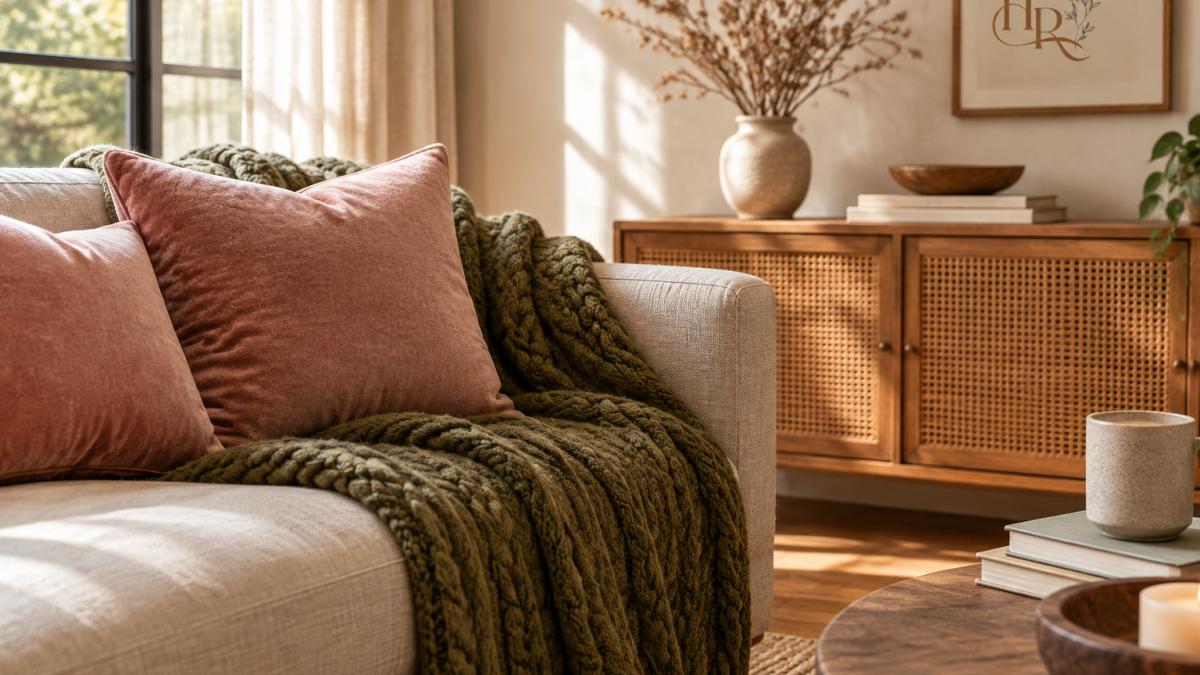
Most guides start with color and end with texture. In practice, texture does more of the work, and light does the rest.
For a deeper look at how handcrafted textiles fit modern interiors, our guide to handcrafted textiles for modern homes walks through materials and sourcing.
Start With the Layers You Touch
Warmth starts where hands and skin land: seating, bedding, and floors. A velvet pillow cover or a knit throw changes how a room feels the moment you sit down.
Avoid decorative pillows that are stiff and scratchy, they photograph well and get pushed aside.
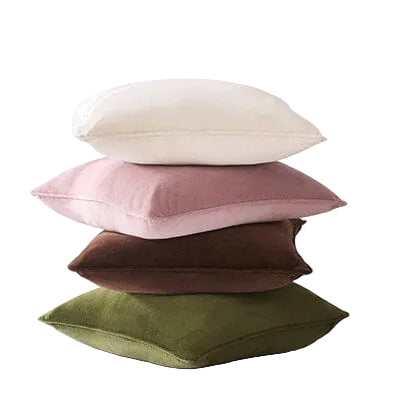
The Terran Velvet Decorative Pillow Covers are reversible, come in mix-and-match colors, and measure 22 by 22 inches. Inserts are not included, so plan for that.
Then Add the Layers You See
Sight layers sit further from your body: wall hangings, window treatments, and objects on open shelving. These are what make a room feel finished rather than furnished.
Natural materials do the heavy lifting: rattan, seagrass, bamboo, and wood add texture without visual weight.
Watch out: resist filling every surface. Warmth reads as calm, and clutter kills calm faster than any cold color palette.
How to Add Warmth to a Gray Room Without Repainting It
Adding warmth to a gray room means introducing warm undertones through textiles, wood tones, and light rather than repainting.
The fastest fix is a warm wood or rattan piece. Our Natural Rattan Four Door Sideboard Cabinet pairs rattan door panels with engineered wood and comes in oak, white, and black.
Next, layer light. Swap a cool white bulb for a warmer one in a table lamp, and add a candle or two at different heights.
Then add one saturated warm accent: an olive green throw, a mustard or rust pillow, or a brass suncatcher catching afternoon light.
How to Add Warmth to a White Room So It Feels Lived In
A white room feels lived in when you break up the flatness with texture, tone variation, and a few imperfect, handmade objects. White isn't the problem. Uniform white is.
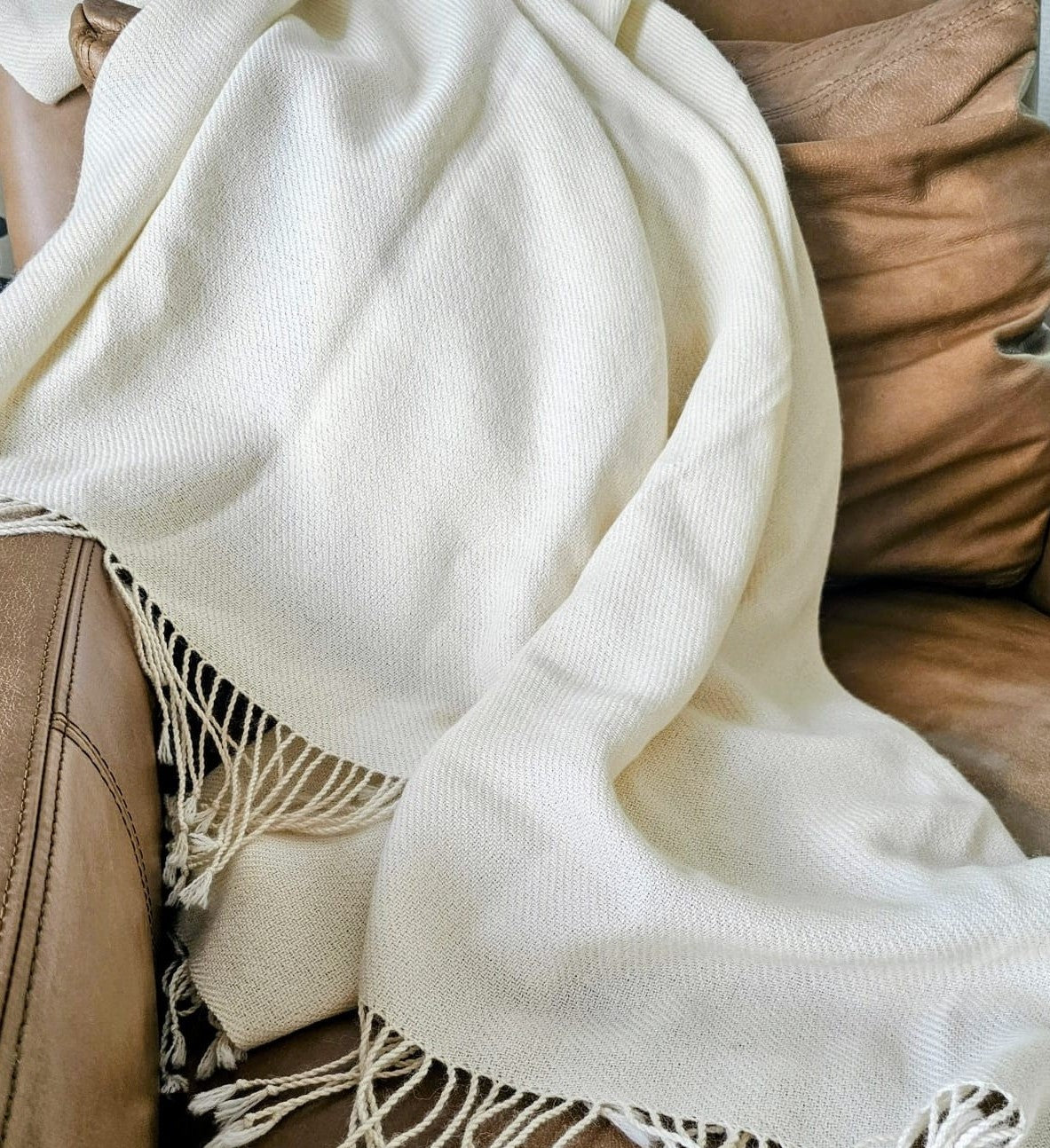
Start with one ivory or cream textile that isn't the same white as the walls. The Handloomed 100% Undyed Baby Alpaca Throw Blanket measures 78 by 51 inches and is handloomed from undyed baby alpaca in the Andean highlands of Peru.
Then add wood and woven pieces at different heights. A bamboo vase with a seagrass weave on a shelf, a wooden umbrella stand in an entryway, a rattan cabinet in the living room.
Follow the care instructions on each piece.
How to Make Your Home Cozy on a Budget With Pieces That Last
Making a home cozy on a budget comes down to spending where your body touches the room and saving where it doesn't. Textiles you sit on and light you look at earn their cost; decorative extras can wait.
Buying everything at once from one big-box trip is how rooms end up looking like a catalog and falling apart in two years. Buy in layers, starting with the pieces that get touched daily.
Tier 1: Free Rearrangements First
Before spending anything, try these moves, which cost $0 and often change a room more than a purchase:
- Pull seating away from the wall and onto a rug to create a conversation zone
- Move one lamp from a corner to a side table beside the chair you actually sit in
- Swap a cool white bulb for a warmer one you already own from another room
If the room still feels cold after these moves, the gap is usually texture, not furniture.
Tier 2: Low-Cost Layers Under $100
This is where most households should start spending. Pillow covers and a washable throw change a room's mood for less than the cost of one accent chair.
| Category | Spend | Save | Why |
|---|---|---|---|
| Throws and blankets | Yes | No | Touched daily, shows wear first |
| Pillow covers | Yes | No | Cheapest way to change a room's mood |
| Lighting | Yes | No | Sets the entire atmosphere |
| Vases and accents | No | Yes | Easy to swap, low wear |
| Storage furniture | Yes | No | Structural, hard to replace |
| Seasonal decor | No | Yes | Rotates in and out |
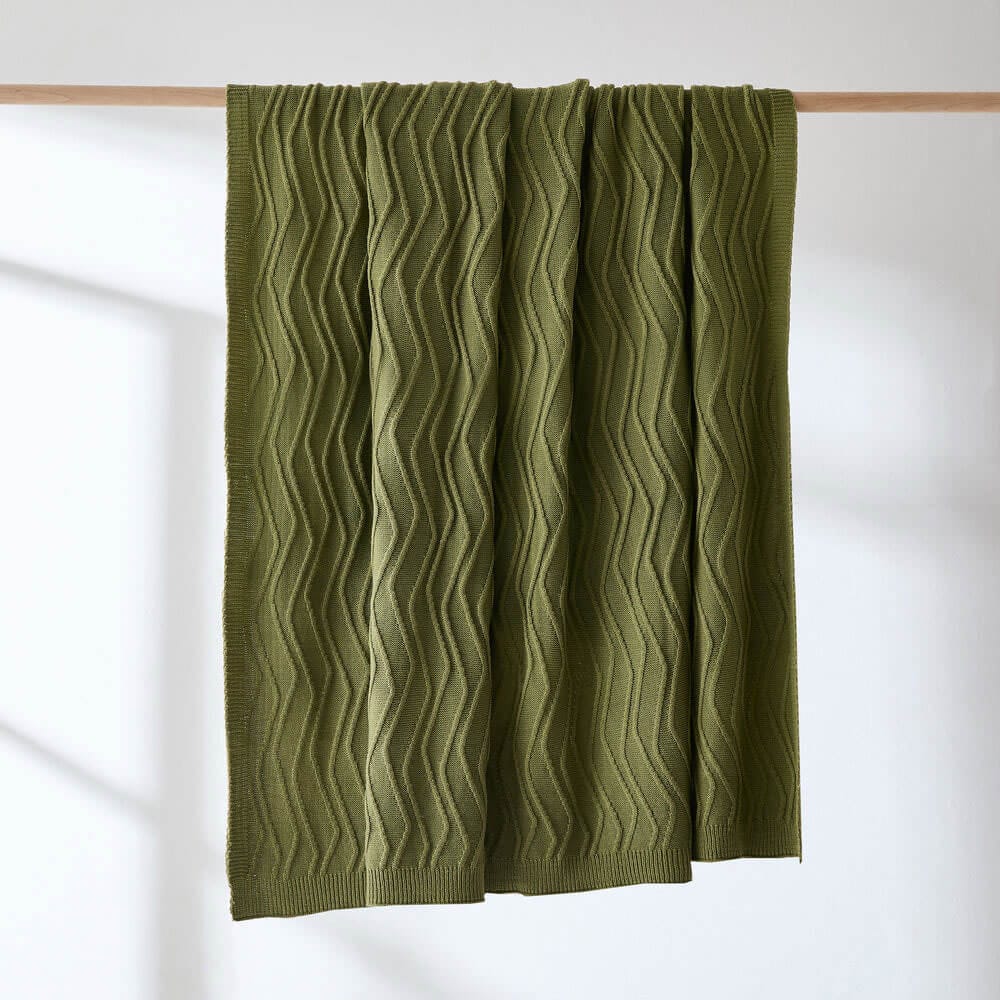
The Shadow Bloom Throw at $69.99 is a mid-tier example: cable knit, ribbed borders, olive green, machine washable on cold. The Linden Street Handwoven Pillow at $39.99 adds texture without a big commitment, and the Bamboo Vase with Seagrass Weave at $25.92 is where you save: it adds natural texture at a low price and is easy to swap later.
Tier 3: Investment Pieces That Last
For one lasting investment, the Handloomed 100% Undyed Baby Alpaca Throw Blanket at $355.00 is the piece you keep for a decade.
Structural pieces like the Natural Rattan Four Door Sideboard Cabinet can be a worthwhile purchase. Measure carefully before buying.
What Lasts and What Doesn't
Read the care label before buying, since care requirements differ between pieces.
Prices of cozy decor pieces
Renter-Friendly and Small-Space Ways to Add Warmth and Comfort
Renters and small-space dwellers should focus on pieces that move easily and don't require wall damage. Everything below packs into a car and leaves no holes behind.
- Layer a throw over a rental sofa instead of reupholstering it
- Use pillow covers rather than new inserts, so you store flat
- Choose freestanding lighting over hardwired fixtures
The Natural Rattan Four Door Sideboard Cabinet is a good example of a piece that works in a rental: it's freestanding, holds real storage, and can serve as a TV console now and an entryway cabinet later.
Watch out: measure doorways and stairwells before ordering any furniture. A 61.4-inch cabinet that won't fit through your hallway is a return, not a purchase.
Personalized Decor That Fits Your Household, Not Just Your Photos
Personalized decor means choosing pieces around how your household actually lives: who sits where, what gets touched, what needs cleaning, and what has to be safe. A room styled for a photograph and a room styled for a family are different rooms.
Start by writing down four household facts before you buy anything: who uses the room daily, what gets touched most, what has to be cleaned weekly, and what has to be safe for the most vulnerable person or pet in the home. Those four answers narrow the field faster than any mood board.
Match Textiles to Cleaning Reality
If you have pets, kids, or allergies, choose textiles you can clean. Machine washable knits and spot-cleanable velvet covers are easier to live with than dry-clean-only pieces. The Shadow Bloom Throw at $69.99 is machine washable on cold, which makes it easier to care for in a busy household.
Reflect Hobbies, Memories, and Routines
Personalization is not monogramming, it's letting the room show what your household actually does. A reading household benefits from a lamp beside every chair and a side table for a mug.
Memories can be worked in without clutter: one framed photo or one object from a trip on an open shelf, rotated seasonally, does more than a gallery wall of filler.
Design for Safety and Accessibility
If someone in the home has mobility concerns, keep floor layers low-profile and secure. A loose rug is a trip hazard, and thick shag can block a wheelchair or walker.
For lighting, reachable switches and easy-to-grip lamp bases matter more than style. Battery-operated candles and string lights on timers are safer for households with pets or small children than open flames near curtains.
Make It Reversible for Renters
Renters should treat personalization as reversible moves: pillow covers instead of new inserts, freestanding lighting instead of hardwired fixtures, leaning textiles on removable hooks instead of nails, and furniture that doubles as storage and moves with you.
For households thinking about how their space should reflect their own taste rather than a trend, our guide to curating a personal home goes deeper into artisan living.
Watch out: measure doorways and stairwells before ordering any furniture. A 61.4-inch cabinet that won't fit through your hallway is a return, not a purchase.
Build Your Warm Layer Starting With One Textile
Start with one textile you genuinely love, then build outward. One throw or pillow cover sets the color story, and everything else follows.
A practical sequence:
- Choose one throw or pillow cover in a warm tone you'll still like in three years
- Pull two colors from that piece for a second layer
- Add one natural material, like rattan, bamboo, or wood
- Add two light sources at different heights
- Stop. Live with it for a week before adding more
You can also browse the full range of throws and blankets to see how these pieces sit together before you commit.
Building a room that feels warm takes more than one purchase, and it takes a willingness to layer slowly instead of buying a matching set.
Frequently Asked Questions
How do I make my home feel warm and cozy without buying all new furniture?
Work in layers instead of replacing pieces. Add a textured throw over the sofa arm, swap in velvet pillow covers, and put a warm-toned lamp on a side table rather than relying on overhead light. A linen spray with cedarwood and vetiver adds scent, which readers often forget counts as part of the room's feel. Each of these changes costs far less than a new sofa and can be reversed or moved when your taste shifts.
What is the 3-5-7 rule for interior decorating?
The 3-5-7 rule is a styling guideline for grouping objects: use three items in a small cluster, five in a medium one, and seven in a larger arrangement such as a shelf or console. Odd numbers read as less symmetrical and more natural to the eye. It applies well to vases, candles, and decorative accents. Treat it as a starting point, not a law, and adjust for the actual surface you are styling.
How can I make my home cozy on a budget?
Start with the pieces you touch most: a throw, a pillow cover, and a warm light source. Textiles under $70 and decorative accents under $40 change a room faster than furniture. Shop your own home first by moving a blanket from the bedroom to the living room. Then add one meaningful piece at a time rather than a cart full of small items that do not relate to each other.
How do I add warmth to a gray or white room?
Gray and white rooms feel cold because they lack texture and warm color. Introduce olive, rust, clay, or ivory through textiles and natural materials. A sweater knit throw in olive green, a handwoven cotton pillow, and a seagrass or rattan accent add both color and surface variation. Warm lighting from a lamp at eye level finishes the effect. You do not need to repaint to change how the room reads.
Will artisan pieces work in a rental I might have to move out of?
Yes, if you favor pieces that are portable and scale-neutral. Throws, pillow covers, vases, suncatchers, and small accent furniture move easily and fit a range of room sizes. Avoid built-ins and pieces sized to one exact wall. Textiles in particular pack flat and adapt to a new sofa or bed. That makes them a practical choice for anyone renting for another year or two.


